20+ Mnemonic Activities for Students: Strategies & Examples for Teachers
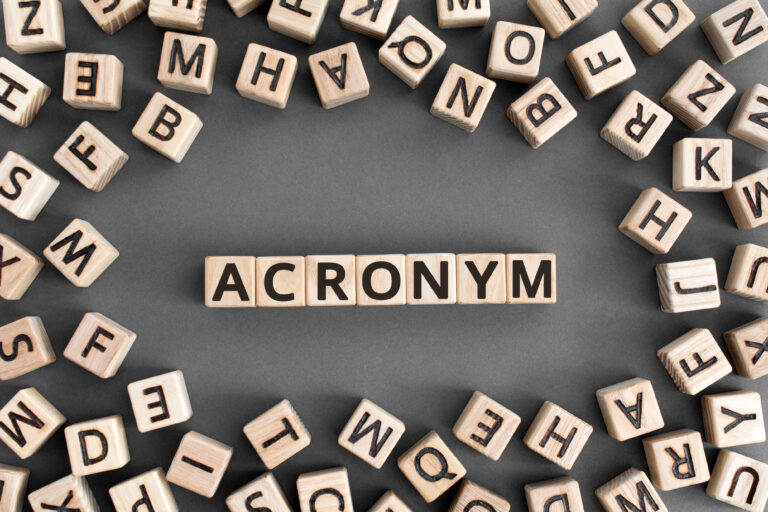
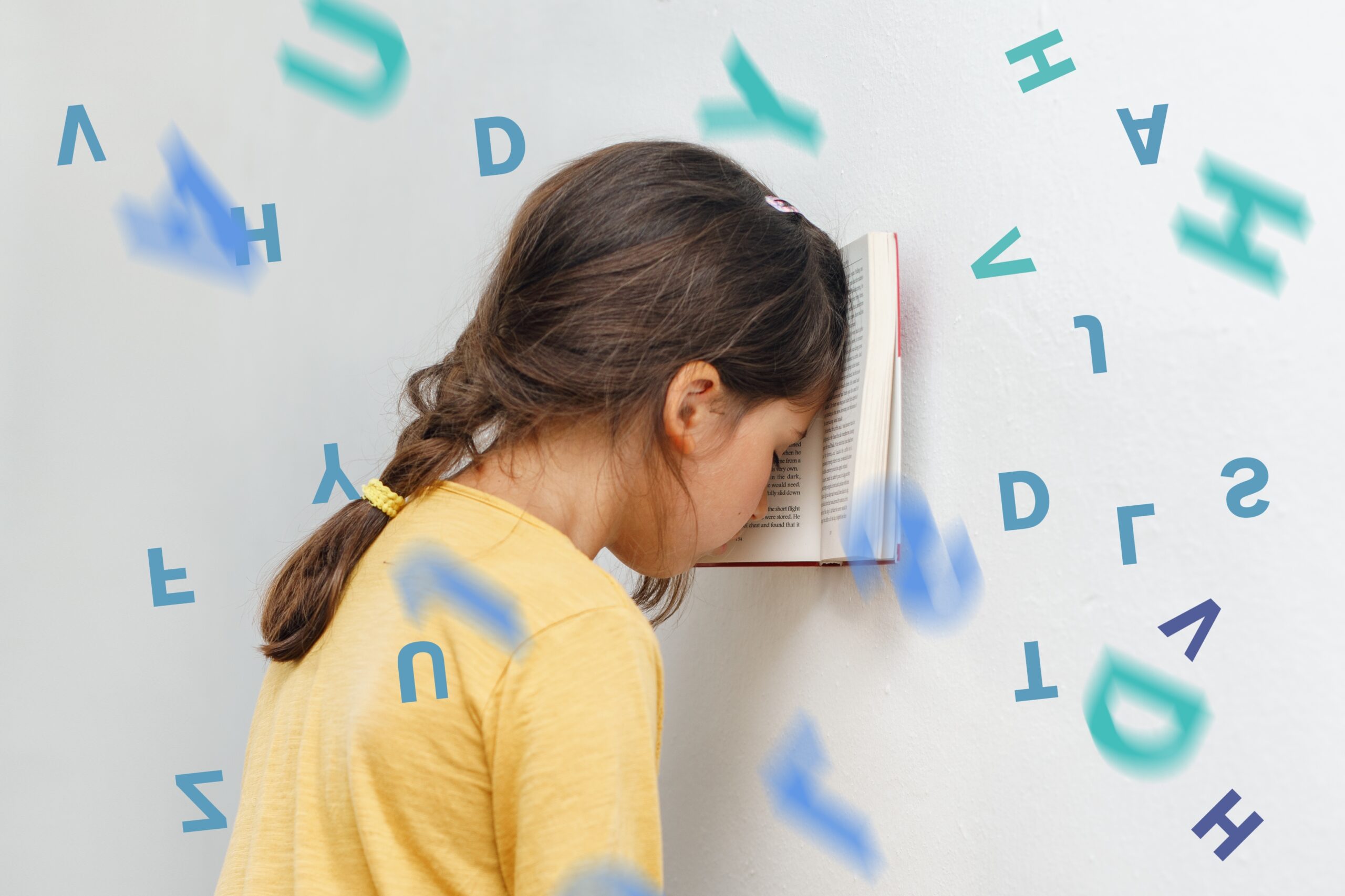
As an educator who has spent a lifetime studying how we learn, I can tell you one of the biggest challenges is helping students hold onto information. It’s a common frustration. Research shows students can forget a startling amount of what they learn within 24 hours without the right retention techniques. Mnemonic activities are a practical solution, helping students encode information in ways that make it stick. Studies indicate that students using mnemonic strategies can improve recall by up to 77% compared to traditional study methods. These are some of the most effective strategies teachers are using in 2025.
How Mnemonics Boost Student Learning
Mnemonics work by creating meaningful connections between new information and what a student already knows. I’ve always said learning is an active process, not a passive one, and these tools are a perfect example. They turn abstract or difficult data into formats that are easier for our brains to process and retrieve. The benefits include faster recall, more engagement with material, reduced test anxiety, and much better long-term retention.
| Mnemonic Type | Description | Simple Example |
| Acronym | First letters form a new word | ROY G BIV (colors of rainbow) |
| Acrostic | First letters create a sentence | Every Good Boy Does Fine (music notes) |
| Chunking | Breaking information into groups | Phone numbers (555-123-4567) |
| Method of Loci | Placing info along a mental journey | Items in rooms of a house |
| Rhymes | Using rhythm and patterns | “In 1492, Columbus sailed the ocean blue” |
20+ Mnemonic Activities for Students
These classroom-ready activities are organized by mnemonic type to help you quickly find options that match your teaching objectives.
1. Create Acronyms for Key Lists
Description: Form meaningful words using first letters of items in a sequence.
Example: HOMES for Great Lakes (Huron, Ontario, Michigan, Erie, Superior)
How to run it: Have students brainstorm multiple possible acronyms and vote on the most memorable one. Challenge them to create an acronym that relates to the topic itself.
Preparation time: 5-10 minutes
Class time needed: 10-15 minutes
Materials: Whiteboard or paper for brainstorming
2. Compose Acrostic Sentences
Description: Craft sentences where the first letters of each word represent target information.
Example: “My Very Educated Mother Just Served Us Nachos” for planets.
How to run it: Start with a group example, then have students work in pairs to create their own. Encourage funny or unusual sentences. A little humor goes a long way for memory.
Preparation time: 5-10 minutes
Class time needed: 10-15 minutes
Materials: Paper, writing utensils
3. Draw Keyword-Link Images
Description: Create visual connections between new words and familiar concepts.
Example: For Spanish “biblioteca” (library), draw a “bike” inside a “tech” library.
How to run it: Provide blank paper and colored markers. Have students explain their drawings to partners to reinforce the connections.
Preparation time: 10-15 minutes
Class time needed: 20-30 minutes
Materials: Paper, colored markers/pencils, example images
4. Apply the Method of Loci
Description: Link information to specific locations in an imagined familiar space.
Example for High School Biology: To remember cellular respiration steps, students can visualize:
Front door = Glycolysis (sugar splitting)
Hallway = Pyruvate Oxidation
Kitchen = Krebs Cycle (spinning like a blender)
Living room = Electron Transport Chain (like wires along the wall)
How to run it: Guide students to choose a familiar setting, then systematically place information at specific points. Have them mentally “walk through” the space several times to reinforce connections.
Preparation time: 15-20 minutes
Class time needed: 25-30 minutes
Materials: Location diagram templates, visualization guide handouts
5. Create Story Chains
Description: Link items in a sequence through an engaging narrative.
Example for Middle School History: For American Revolution events: “After the war at the door (French and Indian War), angry colonists at the desk get stamped (Stamp Act), then throw tea out the window (Boston Tea Party)…”
How to run it: Begin the story as a class, then have each student add the next element. Record the final story for review [3].
Preparation time: 10-15 minutes
Class time needed: 20-25 minutes
Materials: Recording device or note-taking supplies
6. Use the Pegword System
Description: Link numbers with rhyming words, then connect information to those words.
Example for Elementary Language Arts: “One-bun” = Nouns (visualize labeled sandwich), “Two-shoe” = Verbs (visualize running shoe)
How to run it: Teach the standard pegwords first (1-bun, 2-shoe, etc.), then model with examples. Start with just 5-10 pegwords before expanding.
Preparation time: 15-20 minutes
Class time needed: 20-25 minutes
Materials: Pegword chart, example images
7. Break Information into Chunked Cards
Description: Group related items on color-coded cards for easier mental organization.
Example: Periodic table elements chunked by type or properties.
How to run it: Use different colored index cards for different chunks. Have students shuffle and reorganize them as retrieval practice.
Preparation time: 15-20 minutes
Class time needed: 15-20 minutes
Materials: Colored index cards or cardstock
8. Write Rhymes or Songs
Description: Create catchy songs using familiar tunes with lyrics changed to content.
Example: Elements song to the “Pop Goes the Weasel” tune.
How to run it: Provide a selection of familiar melodies as templates. Allow students to record their songs on classroom devices for sharing.
Preparation time: 15-20 minutes
Class time needed: 25-30 minutes
Materials: Song templates, recording devices (optional)
9. Design Color-Coded Mind Maps
Description: Create visual diagrams organizing information with colors and connections.
Example: Types of literary devices with examples branching from a central hub.
How to run it: Provide large paper and colored markers. Start with a central concept and branch outward, using consistent color coding for similar elements.
Preparation time: 10-15 minutes
Class time needed: 25-30 minutes
Materials: Large paper, colored markers, example mind maps
10. Develop Number-Shape Associations
Description: Connect numbers to objects they resemble for easier recall.
Example: 2 looks like a swan, 4 resembles a sailboat.
How to run it: Draw the number-shape connections on the board. Challenge students to create memorable scenes using these shapes to remember number sequences.
Preparation time: 10 minutes
Class time needed: 15-20 minutes
Materials: Visual examples of number-shapes
11. Link Facts to Classroom Landmarks
Description: Assign key information to specific physical locations in the classroom.
Example: Each wall represents a different branch of government.
How to run it: Place visual cues at each location. Start lessons by having students look at the location linked to previous material.
Preparation time: 15-20 minutes
Class time needed: 15-20 minutes initially, then 2-3 minutes for reviews
Materials: Visual cues, labels
12. Use First-Letter Mnemonics for Vocabulary
Description: Create reminders using the first letters of definition words.
Example: “Photosynthesis Helps Create Oxygen” for process steps.
How to run it: Model with challenging terms first. Create a class collection of these mnemonics for review.
Preparation time: 5-10 minutes
Class time needed: 15 minutes
Materials: Vocabulary lists, worksheets
13. Match Faces to Names with Silly Cues
Description: Associate distinctive features with names using exaggerated imagery.
Example: “Curly-haired Carlos” with a mental image of extra-curly hair.
How to run it: At the beginning of a term, have students share one memorable fact about themselves to aid association. Create a seating chart with these cues.
Preparation time: 5-10 minutes
Class time needed: 15-20 minutes
Materials: Class roster, seating chart
14. Play Mnemonic Matching Games
Description: Create card games matching content with mnemonic devices.
Example: Cards with scientific terms matched to visual cues or acronyms.
How to run it: Create sets of cards with content on one card and a mnemonic on another. Students play concentration-style memory games to match them.
Preparation time: 20-30 minutes
Class time needed: 15-20 minutes
Materials: Card templates, scissors, printing resources
15. Make Flashcards with Visual Hints
Description: Add visual cues to traditional flashcards to trigger associations.
Example: A small drawing of a battery on a card about electrical current.
How to run it: Provide baseline flashcard content, then have students add their own visual cues. Exchange cards with partners to test effectiveness.
Preparation time: 10-15 minutes
Class time needed: 20-25 minutes
Materials: Blank flashcards, colored pencils
16. Role-Play Sequences in Small Groups
Description: Physically act out processes or sequences to create muscle memory.
Example: Students become atoms to demonstrate chemical bonding.
How to run it: Assign each student a role with a specific action. Practice the sequence several times, then remove prompts and perform from memory.
Preparation time: 15-20 minutes
Class time needed: 25-30 minutes
Materials: Role cards, simple props (optional)
17. Teach with Hand-Gesture Cues
Description: Develop specific hand movements associated with key concepts.
Example: Hand gestures showing greater than, less than for math comparisons.
How to run it: Introduce one gesture at a time. Have students use gestures when answering questions about the topic.
Preparation time: 5-10 minutes
Class time needed: 10-15 minutes
Materials: None required
18. Host “Mnemonic Quiz Bees”
Description: Conduct friendly competitions where students recall information using mnemonics.
Example: Students explain which mnemonic helped them remember an answer.
How to run it: Award points both for correct answers and for explaining the effective mnemonic used. Celebrate creative approaches.
Preparation time: 15-20 minutes
Class time needed: 20-30 minutes
Materials: Question cards, scoreboard
19. Invite Students to Invent Their Own Mnemonics
Description: Challenge students to develop personalized memory techniques.
Example: Creating custom acronyms for literary themes or historical periods.
How to run it: Start with a brainstorming session on different mnemonic types. Allow students to choose their preferred method and apply it to the current material. I’ve found that giving students ownership of their learning tools is incredibly powerful.
Preparation time: 5-10 minutes
Class time needed: 20-25 minutes
Materials: Brainstorming templates
20. Combine Two or More Methods for Review
Description: Layer multiple mnemonic approaches for difficult information.
Example: Using acronyms within a memory palace for constitutional amendments.
How to run it: Model with a specific example. Create a chart showing how different methods can work together for layered reinforcement.
Preparation time: 15-20 minutes
Class time needed: 20-25 minutes
Materials: Chart paper, examples of combined methods
21. Organize Peer-Teaching Sessions Around Mnemonics
Description: Have students teach concepts to each other using mnemonic strategies.
Example: Student experts teach small groups using their best memory technique.
How to run it: Assign different content sections to student “experts.” Provide planning time before teaching sessions begin.
Preparation time: 10-15 minutes
Class time needed: 25-30 minutes
Materials: Content outlines for student experts
22. Set Up a “Mnemonic Wall” Display
Description: Create a classroom reference wall showcasing effective memory strategies.
Example: A visual display of class-created mnemonics for current units.
How to run it: Dedicate bulletin board space. Rotate featured mnemonics based on upcoming tests or new material.
Preparation time: 20-30 minutes initially, then 5-10 minutes for updates
Class time needed: 5-10 minutes per update
Materials: Bulletin board supplies, student work samples
Adapting Mnemonic Activities for Different Age Groups
| Age Group | Characteristics | Recommended Approaches |
| Early Elementary (Grades 1-3) | Need concrete examplesLimited attention spansStill developing fine motor skills | Use hands-on demonstrationsIncorporate songs and movementsBreak into small stepsKeep sessions brief (5-10 minutes)Focus on visual elements |
| Upper Elementary (Grades 4-6) | Can follow multi-step instructionsDeveloping independenceLonger attention spans | Allow more creation independenceUse visual schedulesExtend activities (10-20 minutes)Begin simple group collaborationsScaffold to independent work |
| Middle School (Grades 7-9) | Value peer interactionNeed relevance to interestsCan handle complexity | Encourage collaborative workOffer open-ended challengesConnect to students’ interestsFocus on peer feedbackPlan 15-25 minute activities |
| High School (Grades 10-12) | Capable of abstract thinkingCareer-focusedSelf-directed | Create real-world applicationsConnect to career interestsPosition teacher as facilitatorInclude peer reviewPlan 20-30 minute activities with follow-up |
Common Challenges and Solutions
| Challenge | Solution |
| Students create inaccurate mnemonics | Provide teacher-designed starter examples; verify student creations before study. |
| Overreliance without understanding | Pair mnemonic activities with concept-based discussions; test application, not just recall. |
| Some students struggle with visualization | Offer multiple mnemonic types; allow audio or kinesthetic alternatives. |
| Time-consuming creation process | Provide partially completed templates; balance teacher-provided and student-created mnemonics. |
| Students forget the mnemonic itself | Use spaced retrieval practice; connect to personally meaningful references. |
Measuring Effectiveness
To determine which mnemonic activities work best for your students:
- Low-stakes quizzes: Compare retention rates after using different mnemonic methods.
- Exit tickets: Ask students to recall information using the day’s mnemonic technique.
- Think-pair-share: Have students discuss which mnemonics worked best and why.
- Observation checklists: Track which concepts students recall easily during practice.
- Curriculum-based assessment: Use short, regular probes to monitor retention over time.
Research shows that direct comparison between methods can help identify the most effective approaches for different content areas. For example, one study found that the keyword method was 45% more effective for vocabulary retention than acrostics, but acrostics worked better for sequential information.
Best Practices for Smooth Implementation
- Match the mnemonic to the material: Choose techniques appropriate for the type of information (sequences, vocabulary, processes).
- Keep it vivid and personal: The more unusual, colorful, or personally relevant the mnemonic, the better it will stick.
- Limit new mnemonics to 2-3 per lesson: Introducing too many at once can overwhelm students.
- Schedule regular retrieval practice: Brief, spaced reviews greatly increase retention.
- Balance teacher-provided and student-created mnemonics: While teacher-designed mnemonics are often more accurate, student investment in creating their own builds strong engagement.
- Use visuals whenever possible: Even simple drawings boost recall for most learners.
- Connect to prior knowledge: The best mnemonics link new information to things students already know well.
Research-Based Approaches
This article draws on cognitive science research showing the effectiveness of mnemonic techniques across different learning contexts. Studies show that students using keyword mnemonic strategies outperform control groups by up to 77% on vocabulary retention tests. I’ve heard similar reports for years. One fifth-grade teacher told me, “After implementing regular mnemonic activities for science terminology, my students’ unit test scores improved by an average of 14 points, and they were spontaneously using the techniques for other subjects.”
The keyword method has shown particular promise for students with learning disabilities, with research documenting improved recall rates of 75% compared to just 30% using rote rehearsal strategies.
Conclusion & Next Steps
Incorporating even a few minutes of mnemonic activities into each lesson can produce significant memory gains without sacrificing instructional time. Start by selecting one or two activities from this list that align with your current curriculum and introducing them this week. The goal is not just to teach, but to teach students how to learn. These tools help do exactly that.
FAQ
1. What is a mnemonic activity?
A mnemonic activity is an instructional exercise using memory-enhancing strategies like acronyms, visualization, or association to help students better encode, store, and recall information.
2. What are some examples of mnemonic techniques?
Common mnemonic techniques include acronyms (ROY G BIV), acrostics (Every Good Boy Does Fine), the keyword method, chunking, rhymes, the method of loci, and visual association.
3. What are some popular mnemonics?
Popular mnemonics include “HOMES” for the Great Lakes, “Please Excuse My Dear Aunt Sally” for the mathematical order of operations, “Spring Forward, Fall Back” for daylight saving time, and “30 days hath September…” for month lengths.
4. What is a mnemonic strategy for students?
A mnemonic strategy for students is a systematic approach to learning that creates meaningful connections between new information and existing knowledge through techniques like visualization, association, or organization to improve memory and recall.