How to Memorize the African Countries: Interactive Maps & Mnemonics
Struggling to remember all 54 African countries? You’re not alone. I’ve spent my career studying how the brain learns, and I can tell you that rote memorization is one of the least effective methods, especially for something as visual as geography. A student once told me it felt like his brain was a sieve. The key is to use methods that work with your brain, not against it. Combining interactive maps with proven mnemonic techniques engages multiple parts of your mind for faster, longer-lasting recall.
This guide provides straightforward methods to master Africa’s geography. I’ll show you how to break the continent into manageable regions, use map tools, and apply memory techniques like visual associations and memory palaces. These are practical steps that work with how your brain naturally learns.
1. Divide Africa into Manageable Regions
Breaking Africa into regions creates smaller, more digestible chunks. This “chunking” technique is a classic memory aid for a good reason, it works. I’ve always found that tackling a map regionally prevents the initial overload. Working by region is also useful if you have only five minutes for a study session.
African Countries and Their Capitals by Region
North Africa
| Country | Capital |
| Algeria | Algiers |
| Egypt | Cairo |
| Libya | Tripoli |
| Mauritania | Nouakchott |
| Morocco | Rabat |
| Sudan | Khartoum |
| Tunisia | Tunis |
West Africa
| Country | Capital |
| Benin | Porto-Novo |
| Burkina Faso | Ouagadougou |
| Cape Verde | Praia |
| Ivory Coast | Yamoussoukro |
| Gambia | Banjul |
| Ghana | Accra |
| Guinea | Conakry |
| Guinea-Bissau | Bissau |
| Liberia | Monrovia |
| Mali | Bamako |
| Niger | Niamey |
| Nigeria | Abuja |
| Senegal | Dakar |
| Sierra Leone | Freetown |
| Togo | Lomé |
Central Africa
| Country | Capital |
| Angola | Luanda |
| Cameroon | Yaoundé |
| Central African Republic | Bangui |
| Chad | N’Djamena |
| Republic of the Congo | Brazzaville |
| Democratic Republic of the Congo | Kinshasa |
| Equatorial Guinea | Malabo |
| Gabon | Libreville |
| Sao Tome and Principe | Sao Tome |
East Africa
| Country | Capital |
| Burundi | Gitega |
| Comoros | Moroni |
| Djibouti | Djibouti |
| Eritrea | Asmara |
| Ethiopia | Addis Ababa |
| Kenya | Nairobi |
| Madagascar | Antananarivo |
| Malawi | Lilongwe |
| Mauritius | Port Louis |
| Mozambique | Maputo |
| Rwanda | Kigali |
| Seychelles | Victoria |
| Somalia | Mogadishu |
| South Sudan | Juba |
| Tanzania | Dodoma |
| Uganda | Kampala |
| Zambia | Lusaka |
| Zimbabwe | Harare |
Southern Africa
| Country | Capital |
| Botswana | Gaborone |
| Eswatini | Mbabane (administrative), Lobamba (royal) |
| Lesotho | Maseru |
| Namibia | Windhoek |
| South Africa | Pretoria (executive), Cape Town (legislative), Bloemfontein (judicial) |
2. Set up Interactive Map Tools
The right tools make practice efficient and engaging. Prepare blank maps or use these online resources:
- Seterra Geography: Free online map quizzes with speed tracking and custom practice modes. Try it out here: Seterra Geography
- Sporcle: Timed quizzes where you type country names, building recall speed. Check it out at Sporcle
- Blank Africa Maps: Printable outlines for physical practice and manual labeling. Find them at Blank Africa Maps
- Learn African Countries Game: Play geography games to help reinforce learning. Visit Learn African Countries Game
- YouTube Tutorial: Map Memorization Techniques: A visual guide to combining map quizzes with memory strategies (watch here)
For an additional interactive resource, explore the Africa Guide clickable image map which provides detailed country information.
3. Craft Mnemonic Phrases for Each Region
Mnemonics transform abstract country names into memorable phrases or acronyms, making recall much easier.
North Africa (west to east):
- “Many African Tourists Like Elephants” = Morocco, Algeria, Tunisia, Libya, Egypt 1
- “Most Animals That Live Eat Steadily” = Morocco, Algeria, Tunisia, Libya, Egypt, Sudan
West Africa Coastal Countries:
- “You’ve been in Burger King, ordered to go, and gone, coasted away in your ivory car” = Benin, Burkina Faso, Togo, Ghana, Ivory Coast
Central Africa:
- “Can Clever Children Really Demonstrate Excellent Geography Skills Regularly, Brother?” = Cameroon, Central African Republic, Chad, Republic of the Congo, Democratic Republic of the Congo, Equatorial Guinea, Gabon, São Tomé and Príncipe, Rwanda, Burundi
East Africa:
- “Every Day Some Evil Kid’s Uncle Robs Banks Telling My Mother Molly” = Eritrea, Djibouti, Somalia, Ethiopia, Kenya, Uganda, Rwanda, Burundi, Tanzania, Malawi, Mozambique, Madagascar
Southern Africa:
- “Red Zebras And Naked Bats Zipped South Last Summer” = Republic of Congo, Zambia, Angola, Namibia, Botswana, Zimbabwe, South Africa, Lesotho, Eswatini 2
4. Distinguish Commonly Confused Countries
Many African countries have similar names or geographical positions that can cause confusion. Here are tricks to tell them apart:
| Pair/Group | How to Distinguish | Mnemonic/Visual Trick |
| Republic of Congo vs. Democratic Republic of Congo | DRC is much larger and to the east | “Democratic = Double size” (DRC is much bigger) |
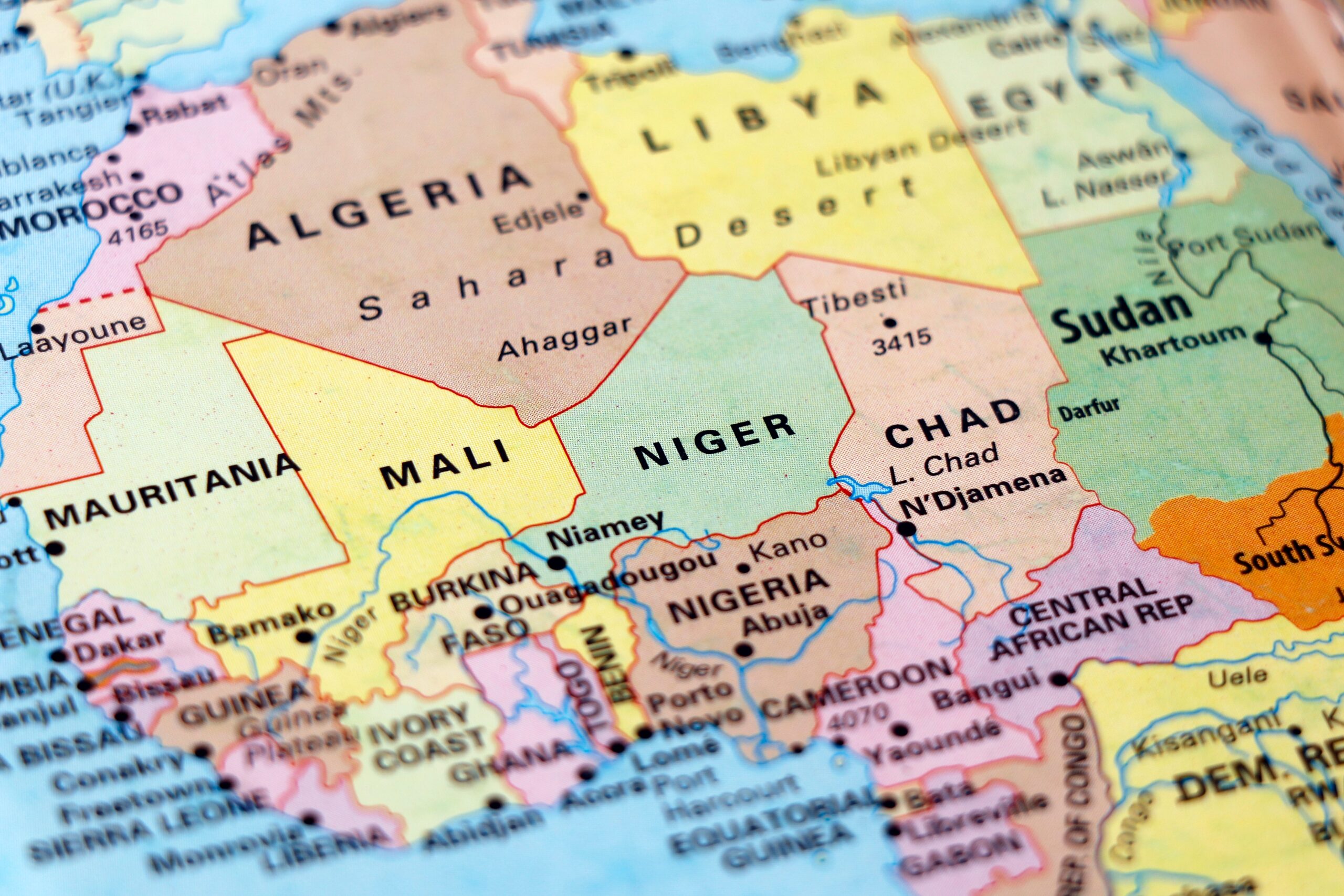
| Niger vs. Nigeria | Nigeria is larger, coastal; Niger is landlocked | Nigeria has an “A” for “Atlantic” access |
| Guinea, Guinea-Bissau, Equatorial Guinea | All in West Africa; Guinea is largest | Guinea-Bissau = Guinea pig with bow tie (“bis-bow”) |
| Mali vs. Malawi | Mali is large in West Africa; Malawi is thin in Southeast | “Malawi loves lakes” (Lake Malawi); “Mali is massive” |
5. Leverage Visual Shape Associations
Linking country shapes to familiar objects creates strong visual memories.
| Country | Shape Association | Quick Tip |
| Somalia | Horn/Rhino horn/Number 7 | Associate with “Horn of Africa” location |
| Madagascar | Footprint/boot | Pair with red flag for “red footprint” |
| Cameroon | Kangaroo | Connect to green/red flag colors |
| Nigeria | Chef’s hat | Link to green/white flag like a chef’s uniform |
| Egypt | Square with triangle | Think “pyramid in square frame” |
6. Build a Memory Palace in Geographic Order
Memory palaces use your spatial memory by placing countries along a familiar route. It’s a method that goes back to the ancient Greeks, and it’s incredibly effective because you’re using a mental map you already know.
Choose a familiar route (your home or daily commute)
Place 3-4 countries in each room or landmark, following the map’s true geography
Mentally walk through this route, naming each country as you “see” it
For example, place Morocco at your front door, move through Algeria in your hallway, Tunisia in your living room, and so on, creating a geographic journey through your home.
For a detailed walkthrough on constructing a memory palace, check out this video tutorial: How to Build a Memory Palace.
7. Follow a 7-Day Study Plan
This structured plan helps beginners master African countries systematically:
Day 1: North Africa
- Study the 7 North African countries and capitals
- Create mnemonics for the region
- Practice with blank maps and Seterra for 15 minutes
- Focus on shape associations for Egypt and Libya
Day 2: West Africa
- Learn the 15 West African countries and capitals
- Create regional mnemonics
- Practice distinguishing Niger vs. Nigeria
- Quiz yourself on North Africa for review
- Practice with Sporcle for 20 minutes
Day 3: Central Africa
- Master the 9 Central African countries and capitals
- Create mnemonics for Republic of Congo vs. DRC
- Review North and West Africa with flashcards
- Practice on interactive maps for 15 minutes
Day 4: East Africa
- Study the 18 East African countries and capitals
- Create Horn of Africa mnemonics
- Practice the Somalia shape association
- Review all previous regions with quiz tools
Day 5: Southern Africa
- Learn the 5 Southern African countries and capitals
- Create regional mnemonics
- Review all regions with blank map drawing
- Practice with timed quizzes
Day 6: Focus on Capitals
- Drill all 54 countries with their capitals
- Create association stories for difficult capitals
- Practice weak areas from previous days
- Use flashcards for spaced repetition
Day 7: Full Review
- Quiz yourself on all 54 countries and capitals
- Draw the entire map from memory
- Take timed challenges on Seterra and Sporcle
- Identify and focus on any remaining weak spots
8. Learn with “71 Memory Tricks”
Rob Cockerham’s system “Memorize the Countries of Africa with 71 Memory Tricks” offers creative associations for each African country. His method is quite fun and uses a mix of narrative, visual, and phonetic tricks to make country names stick. Some examples include:
- North Africa: “M.A.L.E. across the top” (Morocco, Algeria, Libya, Egypt)
- West Africa: The “Burger King Story” links countries in sequence
- Northeast Africa: Countries alternate starting with “E” and “S” (Egypt, Sudan, Eritrea, South Sudan, Ethiopia, Somalia)
- Sahara Region: “Allergies for the M&Ms” (Algeria, Mali, Mauritania, Niger/Nigeria)
This comprehensive system combines narrative, visual, and phonetic techniques to make country names stick.
9. Practice with Quizzes, Flashcards, and Games
Active recall strengthens memory more effectively than passive review. Think of it as pulling information out of your brain, rather than just pushing it in. Combine online quizzes with flashcards to practice country names and capitals.
| Resource | Type | Link |
| Sporcle Africa Quiz | Quiz | Sporcle Africa Quiz |
| Seterra | Interactive Map | Seterra |
| Jetpunk | Speed Challenge | Jetpunk |
10. Reinforce Long-Term Recall
Consistent practice prevents forgetting and builds permanent recall:
- Draw the continental outline and fill in countries from memory weekly
- Recite regional mnemonics daily (30 seconds during your morning routine)
- Quiz yourself with a blank map app twice weekly
- Rotate focus between regions each practice session
- Include capitals in your practice to master both country names and capitals
Conclusion
Mastering Africa’s 54 countries doesn’t require a photographic memory, just the right techniques that work with your brain. By combining regional chunking, interactive maps, mnemonic phrases, and visual associations, you’ll build a reliable mental map of the continent. It’s funny, once you have these hooks in place, the names just seem to pop into your head. Start with the 7-day plan, and you’ll be surprised how quickly these countries stick in your memory.
FAQs
1. What is the easiest way to memorize African countries?
The easiest approach combines region chunking with mnemonics and interactive maps. Learning in small groups of 5-8 countries and connecting them through stories or visual associations makes them stick more effectively than trying to memorize the entire list at once.
2. How can I quickly memorize countries?
For quick memorization, use the chunking method by region, create memorable mnemonics, and practice with interactive quizzes daily. Spaced repetition (reviewing at increasing intervals) accelerates memorization speed while improving retention.
3. Are there 54 or 55 African countries?
There are 54 internationally recognized African countries. The confusion often comes from Western Sahara, which is a disputed territory rather than a universally recognized independent country.
4. What are some commonly confused African countries?
Common confusions include Republic of Congo vs. Democratic Republic of Congo, Niger vs. Nigeria, and the three Guineas (Guinea, Guinea-Bissau, and Equatorial Guinea). Using distinct visual imagery for each helps prevent mix-ups.